
"Cuban coffee harvest"
200 article(s) found

Sino-American Coffee | Cuban Coffee producing areas introduce the special flavor of traditional Cuban coffee
Cuba has grown coffee for more than two centuries, including high-quality Arabica coffee varieties. Cuban coffee is usually strong espresso. Traditional Cuban coffee is dark roasted, finely ground coffee, using an espresso machine or mocha pot to make espresso. An important coffee growing area in Cuba is located in Selama Estra in eastern Cuba.

The origin of Cuban coffee how does Cuban coffee taste? Introduction to Coffee grading system in Cuba
Professional coffee knowledge exchange more coffee bean information please follow the coffee workshop (Wechat official account cafe_style) Cuba, which is famous for producing sugar, cigars and coffee, is a republic composed of Cuba, the largest island in the West Indies, and other small islands. Cuba has fertile land, humid climate and abundant Rain Water, which can be called a natural treasure place for coffee cultivation. Coffee planting began on the 18th.

Mysterious, low-key Cuban coffee flavor
For more information on coffee beans, please follow the history of coffee workshops (official Wechat account cafe_style): the coffee industry in Cuba began in the mid-18th century. The first coffee farm was established by Don Jos Gelabert in Wajay on the outskirts of Havana in 1748. The seeds of coffee came from Santo Domingo at that time, that is, Dominica today.
The process of making Cuban coffee, the production of Cuban coffee
Following Cafe Review (Wechat official account vdailycom) found that the production process of Cuban coffee that Beautiful Caf é opens a small shop of its own is to brew Crystal Mountain Coffee, preferably with a hand brewer or American coffee machine, the water temperature is below 85 ℃, the match style cooking method should not have too much firepower and do not take too long. When tasting coffee, because it is mellow, you can put more milk, but less sugar.

Introduction of non-polluting Cuban Crystal Coffee Flavor Manor at High altitude
Coffee was introduced into Cuba from Dominica in 1748. In Cuba, where the land is fertile and the climate is humid, Rain Water's abundant area has become the most suitable place to grow coffee. After that, coffee began to be grown and developed in Cuba. In the Central Mountains of Cuba, it is the best place to grow Cuban coffee, in which Crystal Mountain coffee is synonymous with top Cuban coffee. (ancient)

Cuba Blue Mountain Coffee Nicaragua Storm Manor Elephant Bean Coffee Taste characteristics
Professional coffee knowledge exchange more coffee bean information please follow the coffee workshop (Wechat official account cafe_style) do Cuban coffee have Blue Mountains? What's the difference between Cuban Blue Mountain Coffee and Jamaican Blue Mountain Coffee? Finca La Tormenta Francisco Irene Olivera Cuban coffee flavor description: floral, roasted nut aroma, apricot, fresh and meticulous flavor, exquisite

History of Cuban Coffee
Pay attention to coffee reviews (Weixin Official Accounts vdailycom ) and find a beautiful cafe to open its own small shop Cuban coffee introduction Crystal Mountain Coffee is synonymous with top Cuban coffee, because in addition to coffee cultivation in this area, quartz, crystal and other precious minerals are produced. Crystal Mountain Coffee is characterized by its large size and bright green color. its flavor

Coffee cultivation and development in Cuba
Coffee farming in Cuba began in the mid-18th century, with the first coffee farm established by Don Jos Gelabert in Wajay, outside Havana, in 1748. A large number of French and submarine immigrants followed after the outbreak of the Haitian Revolution in 1789.

Why does Cuba have Blue Mountain Coffee? what are the characteristics of Cuban Blue Mountain Coffee?
Professional coffee knowledge exchange more coffee bean information Please follow the coffee workshop (Wechat official account cafe_style) when it first heard of Cuba's Blue Mountain Coffee, it really had the feeling of King Kong, what were you talking about? I can't hear you at all. Later, more and more people want to know about Haitian Blue Mountain Coffee. With regard to these specious statements, since we are in this industry, it seems that we should make it clear.

Cuban Coffee Manor name Flavor description method Variety characteristics and taste introduction
The name of the exporter of Cuban boutique coffee beans indicates that it is also very important to examine the reference origin and specifications of raw coffee beans by hand, and touch them directly to observe their appearance and feeling. To judge the quality of raw coffee beans by their appearance, you must have a certain degree of experience, but as long as the type is certain, you will be able to handle it easily. ●

Those coffees taste better. What are the types and tastes of coffee?
Cuban Crystal Mountain Coffee (Cubita Coffee) in Cuba, the cultivation of coffee is regulated by the state. The best coffee growing area in Cuba is located in the Central Mountains. Because this area not only grows coffee, but also produces quartz, crystal and other precious minerals, it is also known as Crystal Mountain. At present, Crystal Mountain Coffee is synonymous with top Cuban coffee. Crystal Mountain and Jamaica
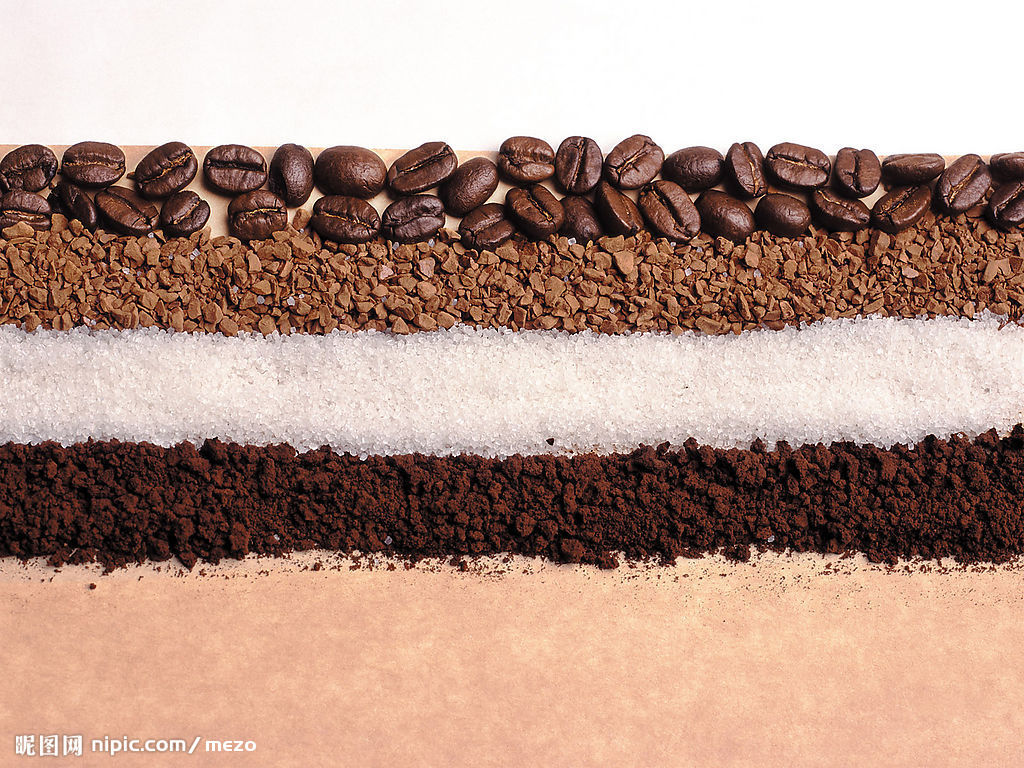
Costa Rican coffee, Cuban coffee, Dominican coffee, Salvador coffee.
First, Costa Rican coffee has full particles, ideal acidity and unique strong flavor. Tarrazu in Costa Rica is one of the major coffee producing areas in the world. The coffee produced is light and pure in flavor and pleasant in aroma. Costa Rica, with its fertile volcanic soil and good drainage, is the first country in Central America to grow coffee and bananas for commercial value. Coffee

Taste classification of coffee beans
Super comprehensive coffee: ★ taste: balanced and round, slightly bitter without acidity. ★ aroma: the special aroma is like smoke and fruit. The main axis of the flavor design is Mantlin plus Brazilian coffee, which is preferred by most people, with mysterious Central American coffee and Yemeni mocha. The roasting method adopts Full City Roast special aroma, which is like smoky and fruity, with a balanced and round taste.

Flavor introduction, characteristics and producing areas of coffee beans
Coffee producing area Editor Coffee beans Coffee beans the most sensible and practical way to understand the countries that produce coffee is to classify them into the three major coffee growing areas in the world: Africa, Indonesia and Central and South America. Generally speaking, coffee grown in the vicinity has similar characteristics. If a particular bean is out of stock, the manufacturer and buyer of the comprehensive product will usually look for the nearby one.

Introduction to the origin of coffee beans
Brazil edits the largest coffee producer, accounting for 1/3 of the world's coffee consumption and occupies a place in the global coffee market, although Brazil faces several times more natural disasters than other regions. but it has enough acreage to make up for it. There are many kinds of coffee here, but its industrial policy is abundant and cheap, so it is excellent.

Coffee beans are produced in countries where coffee beans are produced.
The most sensible and practical way to understand the countries in which coffee is grown is to classify them into the three major coffee growing regions of the world: Africa, Indonesia and Central and South America. In general, coffee grown in close proximity has similar characteristics. If a particular bean is out of stock, the buyer of a complex product will generally look to a nearby country

How does the coffee fruit taste in the coffee producing area?
Coffee producing area Editor Coffee beans Coffee beans the most sensible and practical way to understand the countries that produce coffee is to classify them into the three major coffee growing areas in the world: Africa, Indonesia and Central and South America. Generally speaking, coffee grown in the vicinity has similar characteristics. If a particular bean is out of stock, the manufacturer and buyer of the comprehensive product will usually look for the nearby one.

The growing environment of top coffee producing countries introduces the producing places of fine coffee.
Guatemala is famous for producing fruity coffee beans and was rated as the largest coffee producer in Central America for most of the 20th and 21st centuries. Since the invasion of the Spanish colonists, Guatemala has been plagued by social problems such as poverty, hunger, unequal land distribution and racial discrimination, which have also hindered the development of the coffee industry in the country. The labor of the coffee industry in Guatemala

Story characteristics of four major coffee producing areas in the world Coffee beans from North America, Africa, Asia, Central and South America
Beans taste different according to the region where they grow. The factors that affect the taste are the variety of coffee trees, the soil properties of growth, the climate and altitude of the cultivation garden, the care of picking results, and the process of bean treatment, etc. These elements vary from region to region, while bakers and integrated manufacturers look for the characteristics of each region, so that the comprehensive products have their own unique typical flavor. You can try to chase.